
What this is
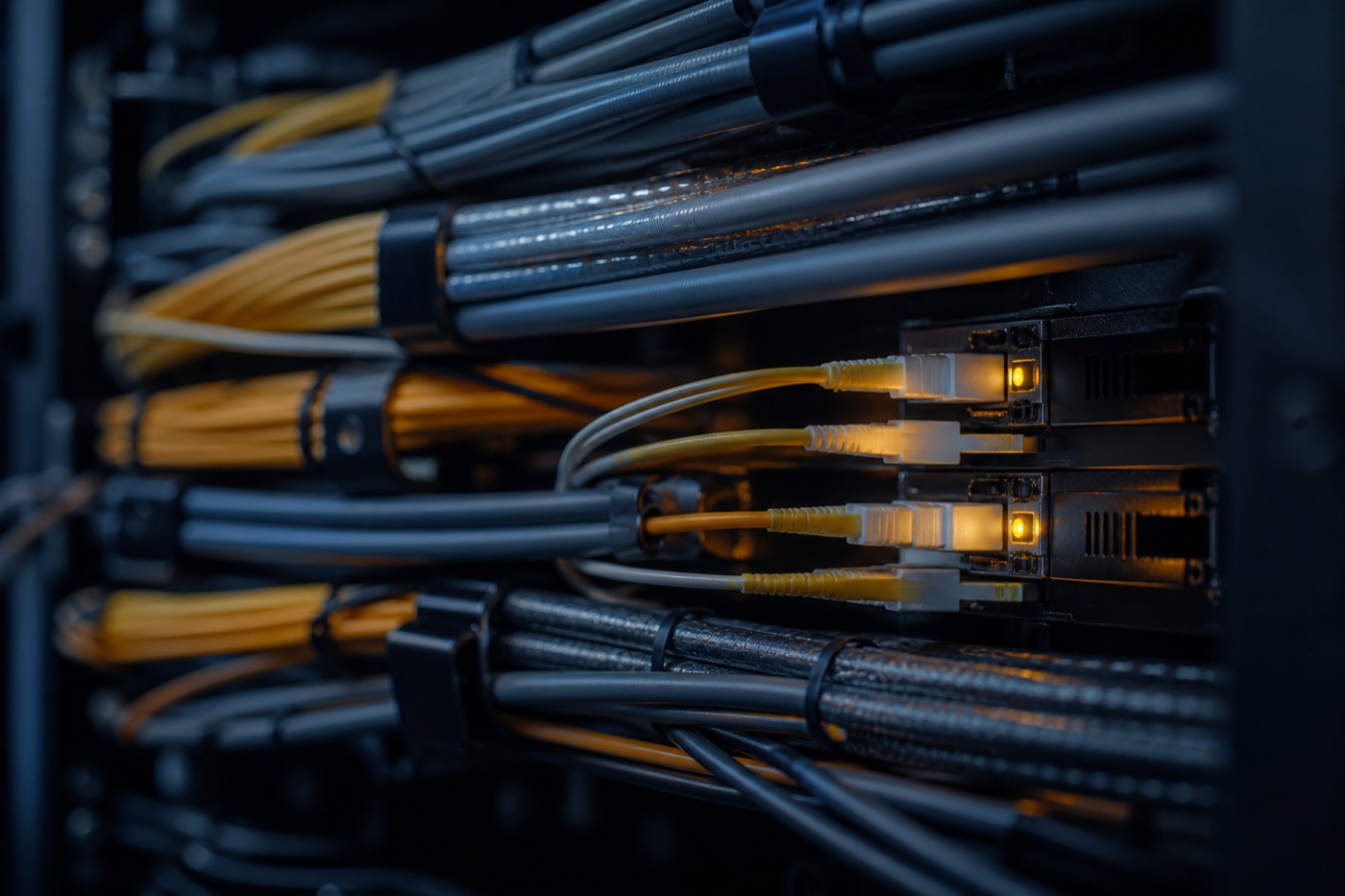
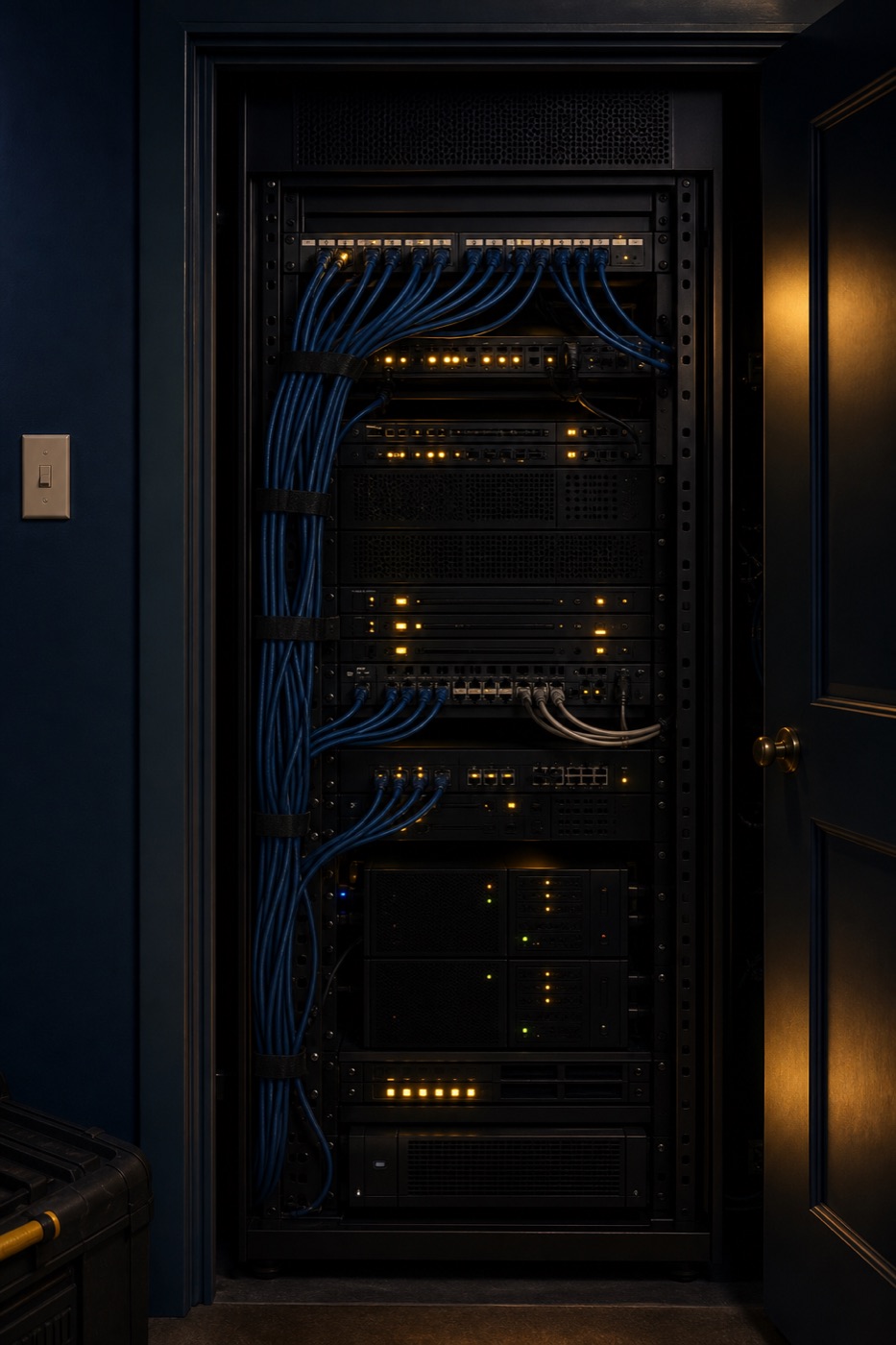
There is no cloud. There is a building. Rows of machines in a warehouse, in a place chosen because the electricity is cheap and there is enough of it, running hot enough that a large part of the floor exists only to carry the heat away.
Every query is a few seconds of that building. One question is a small load. Everyone asking all day is a real amount of a city’s power.
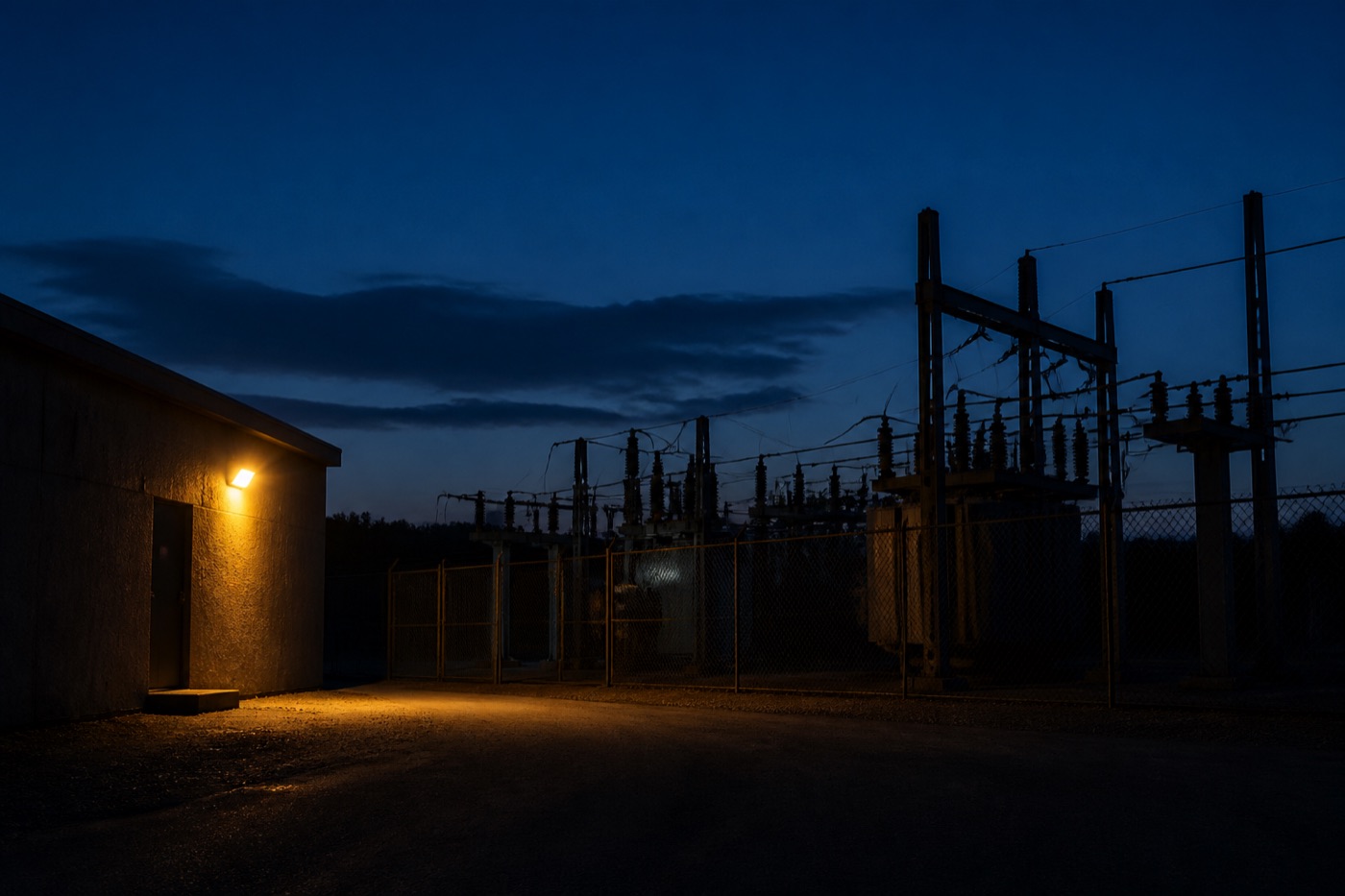
Inference runs on accelerator clusters in physical facilities. Siting is driven by power availability, transmission interconnection, land, and cooling.
A meaningful share of capital and floor space goes to power delivery and thermal management rather than compute. Per-query energy is small; aggregate load is not.
Easy to mix up
This is easy to mix up with software. The product looks like a box in a browser. The constraint is a warehouse and a power line. New machines arrive on a hardware cycle. A transmission line does not.
It is also easy to mix up with the idea that the load is somewhere else and therefore free here. The bill shows up in rates, water, and land use in the county that took the building.
The binding constraint is rarely chips. It is firm power and interconnection, both of which run on multi-year timelines that do not compress to match hardware refresh cycles.
Data center demand is a live variable in utility resource planning. A siting decision is a local political question about rates, water, and land, not only a cloud-region dropdown.
From work
A vendor slide says the workload “runs in the cloud.” A facilities person asks which building, which interconnect, whose power. Those are different objects. One is a product name. The other is a substation queue measured in years.
If an agency or company is writing a policy memo about AI adoption, the building is in the memo whether it is named or not. The electricity is already on someone’s forecast.
“In the cloud” is not a location. Capacity, interconnect queue position, and cooling are. Policy that names only the software stack is incomplete.
Adoption forecasts that ignore interconnection timelines will not match when the capacity actually exists.
What to ask next time
Where is the building? Whose power? How long is the interconnect queue? If the room cannot name a site, the conversation is still about a product name, not a facility.
Ask for region, interconnect status, and whose resource plan holds the load. Software architecture does not answer those questions.